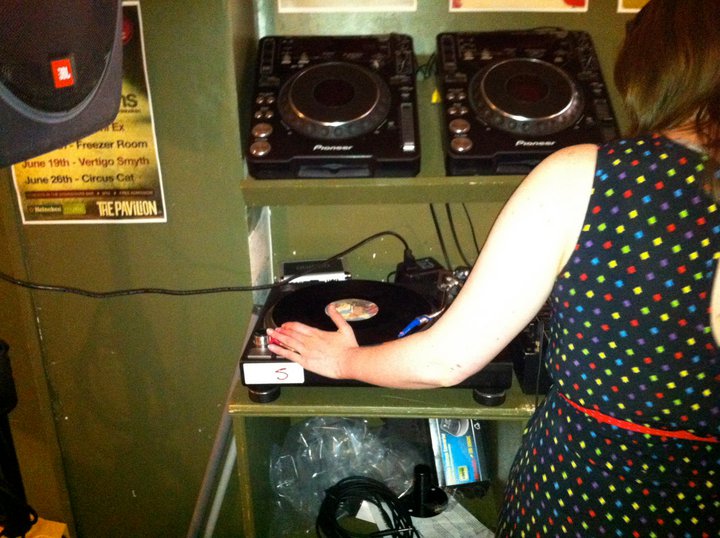
A few years ago, when I was starting to investigate more electronic music, my friend Kim recommended the book Last Night a DJ Saved My Life to me. It’s a comprehensive look at the history of the DJ, taking the reader back to the days when DJing consisted of using one deck and talking between the tracks, and on to the heady nights in New York lofts and packed Detroit dancefloors.
It’s fascinating, and inspiring, to read about how these people who were so passionate about music brought the playing of records to the masses – but there’s something missing. Women are practically absent. While I don’t for a moment downplay the roles that those mentioned in the book played in the growth of DJing as a craft, I find it dispiriting that it appears there were virtually no women contributing to the scene. Was there a minority of female DJs? Certainly. The vast, vast majority of ‘big names’ being male? Clearly. But I want to know more about the women who were there, the women who learned how to mix and scratch and who collected wax just like their male peers.
Until the day comes that such a book appears, at least there are things like the documentary film Girls Gone Vinyl being made, showing that women are part of the electronic music landscape and don’t see themselves as belonging on the margins.
The film has received funding through KickStarter and the bulk of filming took place at the Movement Electronic Music Festival in Detroit from May 28 to 30 this year. Its creator, Jenny LaFemme, has been dropping some sneak peeks of the behind the scenes, and if they’re anything to go by, this movie will be essential viewing. Take this clip, for example – if you thought that female DJs face the same challenges as male DJs (for both do face challenges, though for the male DJs it is not as heavily based on their gender), this interview with Anja Schneider will shed some light on what it is really like:
And if you have questions about the name, this interview with pioneering DJ Derrick May is a thought-provoking watch which illustrates some of the challenges facing La Femme and co.
The official introduction to the film makes its case clear:
A film about the true story of female DJs from around the world in a male dominated industry. No one would think that the electronic music industry is in conflict, but the truth is that DJs are more segregated that politicians or business executives.
Girls Gone Vinyl is the world’s first documentary about female DJs, their struggles and successes, what inspires them and what drives them in spite of overwhelming odds. Watch these women converge on Detroit for the largest electronic music festival in North America and hear their stories firsthand.
Lest you think that this film is going to be all bitchin’ and moanin’, it’s clear that it’s not – it’s a celebration of the women who are out there working as DJs and the contribution they make to their own music scenes. But it’s also a chance for female DJs to speak about their experiences and what gender-based challenges they face. It’s essential for women and men to hear about these things and reflect what role they might play in changing things.
I spoke to a musician recently about the pros and cons with regards to ‘women only’ events, and how sometimes they can serve to isolate women in the music scene. But I also believe that they help give women a space that might not already be there for them, and can bolster confidence in those who need it. It’s not a fuck-you to men, it’s boosting camaraderie amongst women. Guys don’t have to worry about being the only male DJ playing at an event; some – though not all – women can be conscious of being the only female presence at the decks. DJing with other women helps them feel less like they stick out like a sore thumb.
I know when I DJ at female-only events or simply with other women, it feels like a really positive thing – not because I prefer DJiing with women to DJing with guys (I don’t), but because it feels great to simply *be* a woman DJing, given its history.
When I DJ I think of books like Last Night a DJ Saved My Life and hope that in 50 years time there won’t be a need for women-only DJ nights. I hope that by then women won’t have to put up with idiots (and luckily these are in the minority) shouting things like ‘When are you going to lapdance for us?’ at them when they DJ with another girl. (This happened to Kim & I a few years ago). I hope there won’t be a need to have a documentary like Girls Gone Vinyl because that documentary will have helped pave the way for more women to become DJs.
That’s why we need documentaries like this now – because it’s a stepping stone to gender equality in the music industry. We don’t have that yet. We have come far, but not far enough. And you know what? Saying that isn’t complaining: it’s acknowledging something that has to change. It’s a nod at changes yet to come; it’s a kick to the arse; it’s a positive, bold, important statement.
There’s no point pretending there are enough female DJs – whether they’re professional DJs like Jenny La Femme or amateurs like myself – because there aren’t. There are more than there were in years past, however – and I think documentaries like GGV can only encourage more women to start collecting records and learning how to use decks. What are you waiting for?


 Sweet Oblivion
Leave a reply to wicked girls Cancel reply